
Steps for infertility treatment

Dr. Anannya Chakraborty
INFERTILITY & IVF SPECIALIST
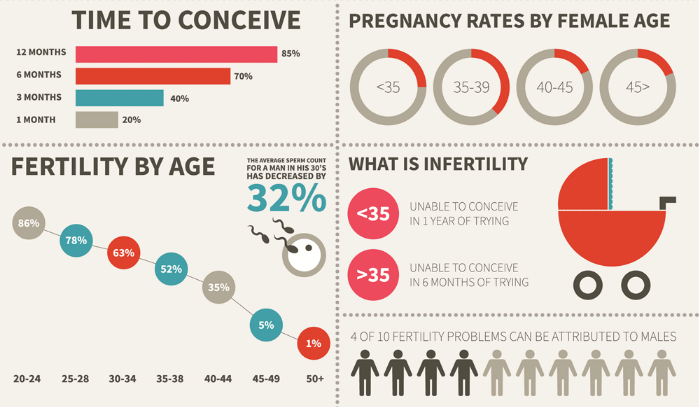
Parenthood is an inestimable blessing to a couple. Around 48 million couples globally are devoid of this blessing. Inability to have a baby even after appropriately trying for one year is regarded as infertility. The cause of infertility may be related to either or both the partners or unexplained.

Evaluation
A detailed history and examination of the couple is indispensable in the diagnosis and management.
Evaluation of the male partner begins with looking for features of hormonal deficiency-decreased libido; sexual disturbances; decreased facial and body hair, etc, history of genital infection or trauma, medical or surgical disease, history of drug intake, followed by a thorough genital examination by an expert. Blood analysis for general health and hormonal profile namely TSH, Prolactin, FSH, and testosterone aid in the preliminary diagnosis. Semen Analysis is essential to validate the sperm quantity and quality. Genetic evaluation and testicular biopsy may be required in special cases.
Know more about Male Infertility Evaluation
A woman’s health history includes her menstrual pattern, previous obstetric performance, sexual disturbances or pelvic symptoms, medical or surgical history, addictions, etc complimented by a pelvic examination, pelvic ultrasound, PAP test, and blood tests to look at the general health status. Genetic evaluation is considered in special cases like prolonged infertility, elderly woman, family history of genetic disease, etc. Specific tests include:-
1. Baseline hormonal profile: Various hormones secreted from the hypothalamus, pituitary and ovaries are involved in the egg development and release process, e.g. FSH, LH, Estrogen, Progesterone, TSH and Prolactin. Abnormal hormonal levels are related to subfertility.
2. Ovarian Reserve: Qualitative and quantitative adequacy of the eggs is important for fertility. Baseline ultrasound on Day 2/3 of menses aided by hormonal assessment like AMH and FSH help to determine a woman’s egg reserve.
3. Progesterone level in the mid-luteal phase (Day 21-23) gives an indication of ovulation in regular cycles.
4. Tubal patency: At least one patent tube is needed to achieve pregnancy naturally or through IUI. Tests like HSG, SIS, HyCoSy, HyFoSy, Laparoscopy help to detect the passage of dye/fluid/foam from the uterus via the tubes into the peritoneal cavity.
5. Uterine Cavity: Hysteroscopy allows real-time visualization of the uterine cavity and also enables operative procedures if required.
Know more about Female Infertility Evaluation
Treatment
Treatment has to be individualized based on the need and personal preferences of the couple. Correction of general health, and appropriate guidance for Timed Intercourse help 10% of couples to achieve pregnancy every month.
Ovulation Induction can be tried with oral medicines and/or injections to enhance the egg development. Fertility enhancing surgery to treat associated tubal, uterine or ovarian diseases in females and varicocele surgery in males improve the outcome.
IUI allows the timed insertion of washed semen in the uterus, with a 15-20% positive outcome. Assisted conception with IVF and/or ICSI enhances the success rates up to 50-60%. Gamete donation can be considered if needed.
Know More About Treatment Cost

So, with the boon of Science, lets begin again… because the moment you are ready to quit is the moment right before the miracle happens.

It’s really eye-opening to read that nearly 48 million couples worldwide struggle with infertility, especially since the cause can often be unexplained or lie with either partner. I appreciate Dr. Chakraborty highlighting the importance of evaluating both partners starting with a detailed history, rather than just focusing on one. It makes a lot of sense to begin the male partner’s evaluation early on in the process to get a complete picture.
Hi there,
Thank you so much for your thoughtful comment! You’ve hit on a crucial point—infertility is absolutely a shared journey, and evaluating both partners simultaneously from the very beginning saves precious time and reduces unnecessary stress.
We truly appreciate you taking the time to share your perspective. Stay tuned for more insights, and please feel free to reach out if you ever have any questions!
Warm regards,
The IHR Guwahati Team
It’s really eye-opening to read that 48 million couples globally struggle with infertility, and I appreciate Dr. Chakraborty highlighting that the cause can lie with either partner or even be unexplained. I’m glad this piece emphasizes evaluating both partners, starting with the male, as the responsibility so often gets placed solely on women. Understanding that one-year mark of trying as the threshold to seek help is really important guidance for couples starting this journey.
Hi there,
Thank you so much for your thoughtful comment! You’ve highlighted a deeply important aspect of the fertility journey. Infertility is absolutely a shared experience, and evaluating both partners simultaneously from the very beginning not only saves precious time but also helps reduce unnecessary stress and pressure.
We truly appreciate you taking the time to share your perspective and emphasize the importance of reaching out for guidance at that one-year mark. Stay tuned for more insights, and please feel free to reach out if you ever have any questions!
Warm regards,
The IHR Guwahati Team
This post is extremely radiant. I really like this post. It is outstanding amongst other posts that I’ve read in quite a while. Much obliged for this better than average post. I truly value it!
Hi there,
Thank you so much for the incredibly kind words! We are thrilled to hear that this post resonated with you and that you found it to be one of the best you’ve read in a while.
Sharing valuable, reliable information to support individuals and families on their fertility journey is exactly why we do this. Your encouragement truly means the world to our team! Stay tuned for more updates, and feel free to reach out if you ever have any questions.
Warm regards,
The IHR Guwahati Team
It’s eye-opening to see that 48 million couples worldwide are dealing with this, and defining it after a full year of trying gives a clear frame of reference. I really appreciate how the post emphasizes evaluating both partners, starting with the male partner, since the causes can lie with either. I’d definitely like to read more about what that male evaluation process looks like since the article cut off there.
Hi there,
Thank you so much for your thoughtful feedback! We are glad the article provided a clear and helpful perspective on the shared nature of fertility journeys.
You raise an excellent point—the male evaluation process is an incredibly important step that is often overlooked. Typically, it begins with a comprehensive medical history and a non-invasive semen analysis to evaluate sperm count, motility, and morphology. Depending on those initial findings, it may also include hormone testing or a physical examination by a specialist.
Your interest has inspired us, and we will definitely plan a dedicated follow-up post detailing the exact steps of the male fertility evaluation process very soon!
Thank you for engaging with our content. Stay tuned, and have a wonderful time ahead!
Warm regards,
The IHR Guwahati Team
Hello! This post could not be written any better! Reading this post reminds me of my good old room mate! He always kept chatting about this. I will forward this write-up to him. Fairly certain he will have a good read. Thanks for sharing!
Hi Rozanne,
Thank you so much for the kind words and for sharing our article! We’re thrilled to hear that the post resonated with you and that you’re passing it along to your roommate.
Providing helpful and supportive information is always our top goal. Stay tuned for more updates, and feel free to reach out anytime if you or your friends have any questions!
Warm regards,
The IHR Guwahati Team
It’s eye-opening to read that 48 million couples worldwide deal with infertility, especially since the cause can sometimes be completely unexplained. I really appreciate how Dr. Chakraborty emphasizes that the evaluation needs to look at both partners and actually starts with the male partner. This kind of comprehensive approach is so important for couples who have been trying for over a year without success.
Hi there,
Thank you so much for taking the time to read our article and share your thoughts!
We completely agree—bringing awareness to male factor infertility and ensuring both partners are evaluated together right from the start is essential for finding effective solutions. Dr. Chakraborty and our team at IHR always strive to provide a holistic, compassionate, and transparent approach to fertility care.
Your feedback and support mean a lot to us. Stay tuned for more insights, and please feel free to reach out anytime if you have any questions!
Warm regards,
The IHR Guwahati Team
The stat about 48 million couples really puts things in perspective—it’s such a common struggle, yet it always feels so isolating when you’re in the middle of it. I appreciate that the article emphasizes starting with a detailed history and exam for both partners, because so many people assume it’s just a “women’s issue” and don’t realize the male evaluation is equally important.