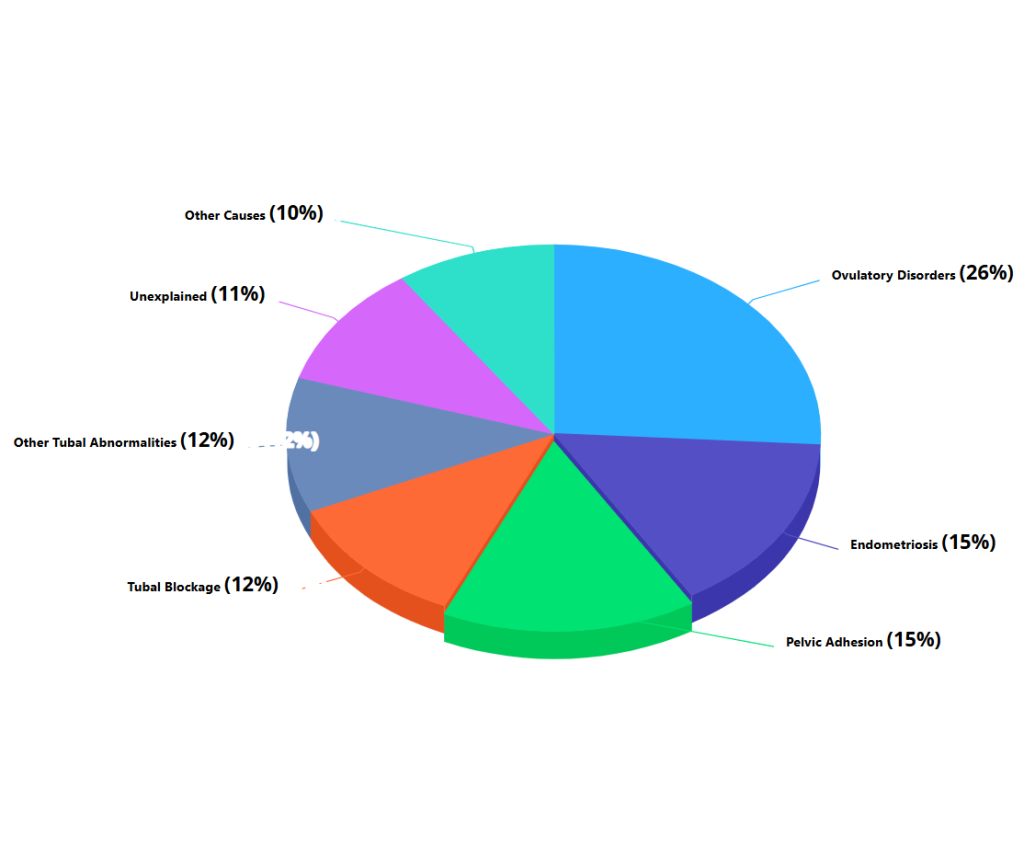
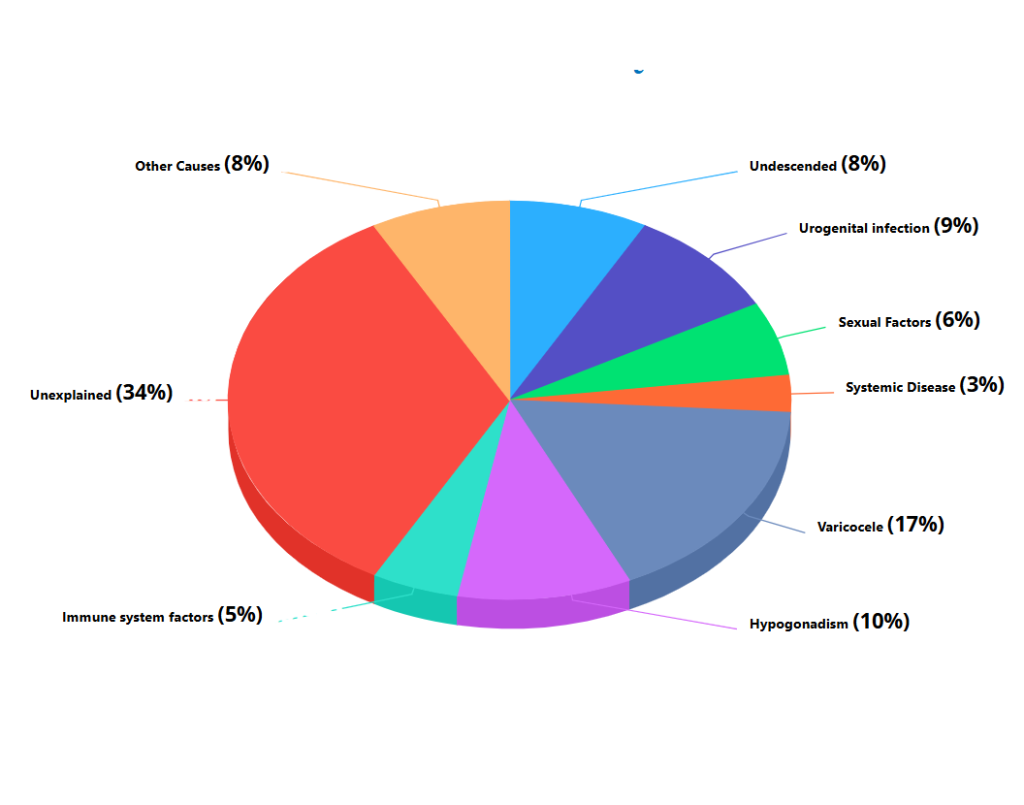
Fertility challenges are more common than many realize, yet often misunderstood. At IHR, we believe that awareness is the first step toward hope. Whether you’re just beginning your journey or have been trying to conceive for a while, understanding the basics of infertility can help you make informed decisions.
What is Infertility?
Infertility is the inability to achieve pregnancy even after 12 months or more of regular, unprotected intercourse (or after 6 months if the woman is older than 35).
How common is it?
Infertility affects 15-20 million couples in India. This makes it one of the most common diseases for people between the ages of 20 and 45. Also, the longer a woman tries to get pregnant without conceiving, the lower are her chances to get pregnant without medical treatment. Most (85%) couples with normal fertility will conceive within a year of trying. If a couple doesn’t conceive in the first year, their chance of conceiving gets lower each month. This happens more quickly as the woman gets older.
As age increases, so does the likelihood of infertility.
Older men produce fewer sperm and lower-quality sperm.
Older women have fewer eggs and lower-quality eggs.
The risk of some health conditions associated with infertility increases with age.
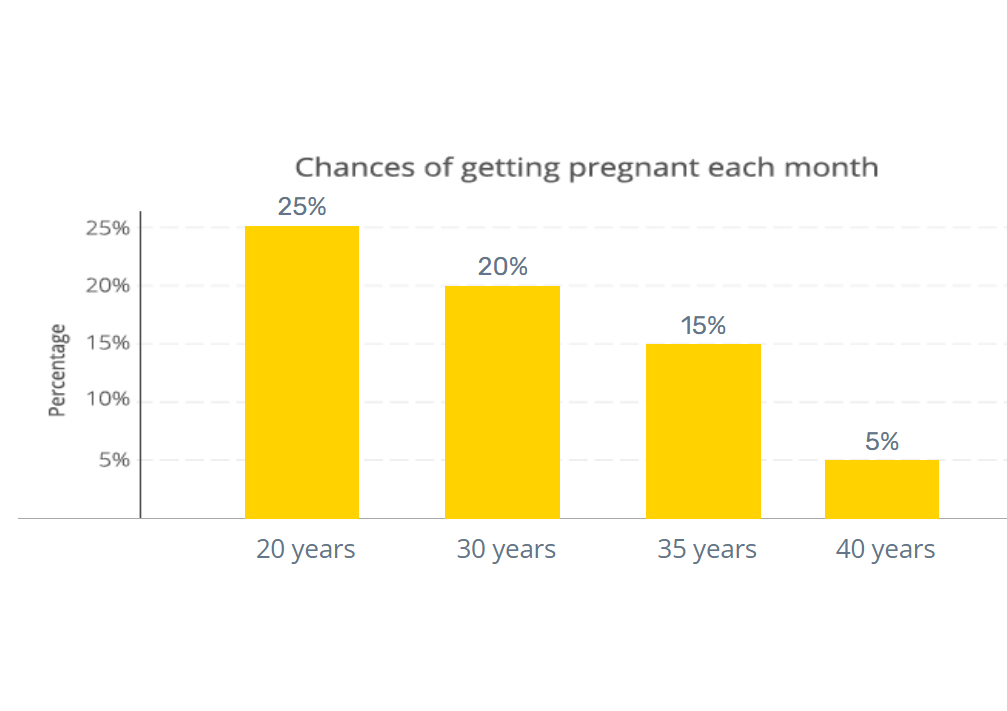
A woman’s age can have a big effect on her ability to have a baby, especially as she enters her 30s and 40s. For a healthy woman in her 20s or early 30s, the chances of conceiving each month are 20-25%. But by the time a woman is 40 years old, the chances drop down to 5%.
Important points to remember
The first and foremost requirement for a successful pregnancy is to have coitus at the right time. For this, the couple can take the help of our fertility day calculator or use a simple urine LH detection kit. This kit can be used at home without any professional assistance. The kit can tell you when to have coitus with your partner.
The efficacy of all treatments is decreased if one is overweight or obese. To help these couples, the institute offers professional services by a trained, certified dietician.
Many infertile couples have high levels of psychological distress both emotional and mental. To help these couples, the institute offers professional services by a trained, certified counsellor.
General sexual problems such as impotence or unconsummated marriage can also be treated to improve fertility.
What can I do about my Infertility?
Get Informed
Learn the risk factors for infertility, and ask us any questions you have about your ability to conceive and the natural course of fertility through your lifespan.
Make a Plan
It's never too early to start. Talk to us about how to improve your overall health and eliminate risk factors so that your body is ready to conceive when you are.