With the global modernization, women tried to delay their childbearing due to professional commitments and seeking better living conditions. During last 3-4 decades there is significant rise in the mean age of first time mothers, ranging between third and fourth decade. This is associated with ovarian aging, characterized by declining oocyte quantity and quality which is an unresolved problem.
Women with poor ovarian reserve or those with ovarian failure with low AMH had only one option to conceive, that is, Test Tube baby (IVF) with donor eggs. IHR has developed a program where those patients with very low AMH / Poor ovarian reserve can have a chance to conceive withtheir own eggs.
This program consists of:
IHR is one of the oldest (Since 1980) Fertility Center of India, providing PRP therapy for management of Poor Ovarian Reserve.
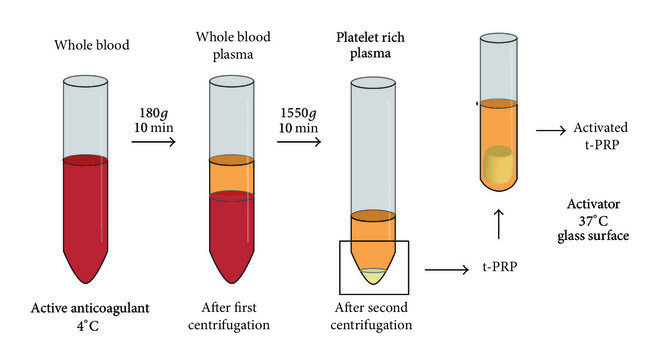
Our blood is made of solid part (cells) and liquid part (plasma). There are
mainly three types of cells in blood: RBC, WBC and Platelets. RBC and
WBC are removed from the blood by specially designed equipments and
remaining Platelets are highly concentrated (8-10 times of normal) in
plasma which is called Platelet Rich Plasma or PRP .
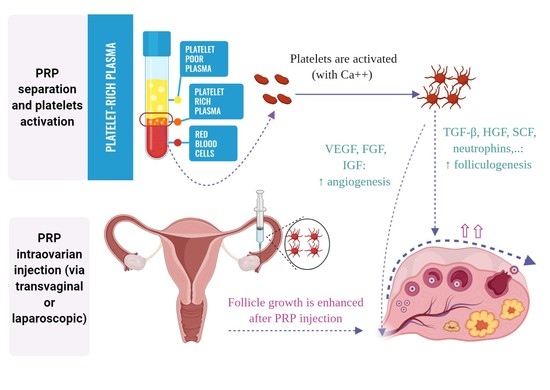
Platelets have many growth factors. Growth factor’s primary role is to trigger cell division and is responsible for formation of new cells, growth of tissues, and most importantly wound healing. This wound healing capability of PRP has been used for many years to accelerate healing in sports injuries. PRP is also used in regeneration of hairs. The same way PRP injected directly in to ovary can stimulate the endogenous stem cells in ovary to regenerate egg-precursor cells and rejuvenate the ovary.
PRP therapy has been used successfully worldwide and has helped many women with premature ovarian insufficiency and menopause to give them an opportunity to have a child with their own eggs. Several children have been born following this procedure.
The procedure is simple and is done in two steps.
Between the 2nd to 5th day of the menstrual cycle, the patient is called in an empty stomach at the clinic. Under mild IV anesthesia and USG guidance, PRP sample is injected into both ovaries. The process takes 15 to 20 minutes. The patient can go home 1-2 hrs after the procedure.
The process is repeated every month for three months. IVF is done in the f OU rth month.
The procedure is innovative and due to its recent appearance, still experimental. However according to current available data, this procedure is successful in about 50 to 60% of cases. The technology, taken as a breakthrough in reproductive medicine, could give a chance of pregnancy with own eggs in those cases, who have no option other than donor eggs.
Copyright 2022 © IHR Guwahati. All Right Reserved.