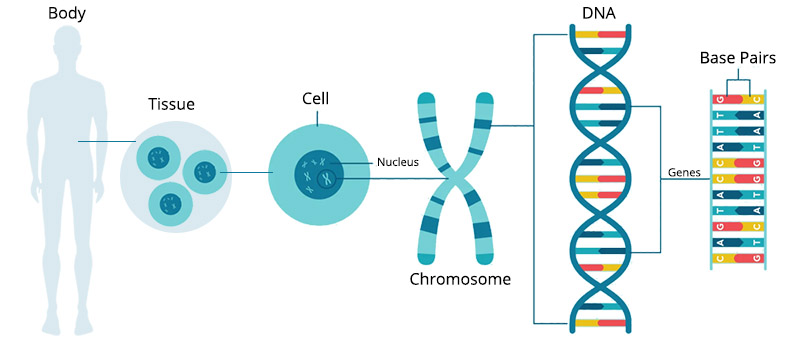
Chromosomes are tiny structures found inside each of our cells. They carry DNA , the genetic material that acts like a blueprint for our body’s development and functions.
Humans typically have 23 pairs of chromosomes – 22 pairs of autosomes and one pair of sex chromosomes (XX for females, XY for males).
What Are Chromosomal Abnormalities?
When an egg is fertilized by a sperm, each contributes one chromosome from each pair.
However, sometimes errors occur during this process, leading to chromosomal abnormalities. These can affect the health of the embryo — even if both parents are genetically healthy — leading to failed implantation, miscarriage, or genetic disorders in the child.
Types of Chromosomal Abnormalities
Numerical Abnormalities (Aneuploidy)
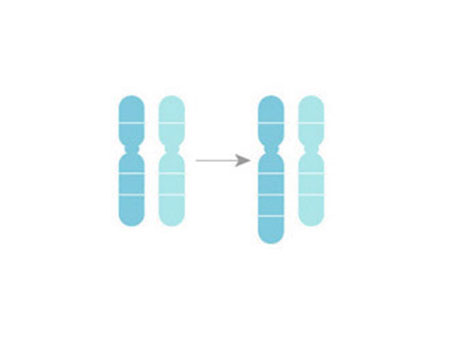
This occurs when there is an extra or missing chromosome.
Some common conditions include:
Down Syndrome (Trisomy 21)
Turner Syndrome (45, X0)
Klinefelter Syndrome (47, XXY)
Trisomy 18 and Trisomy 13
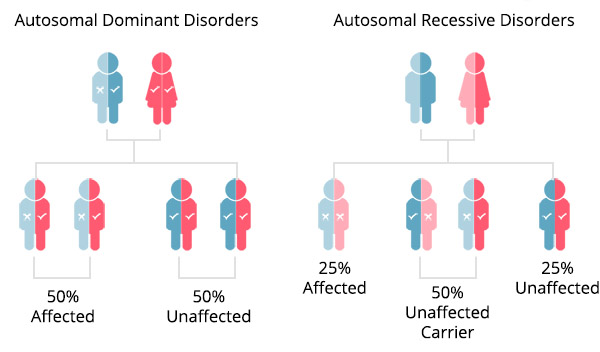
Monogenic or Mendelian Disorders
These result from mutations in a single gene.
Some common Autosomal recessive, Autosomal dominant and X-linked disorders, such as :
Beta Thalassemia
Cystic Fibrosis
Huntington’s Disease
Muscular Dystrophy
Haemophilia A
Sickle Cell Anaemia
BRCA1 & BRCA2 gene mutations
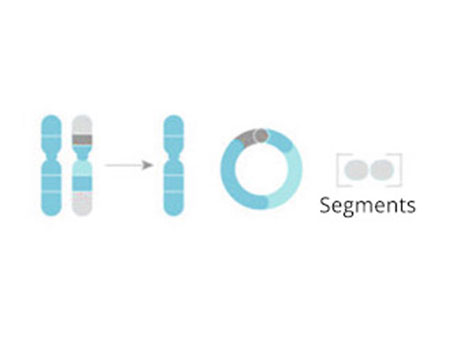
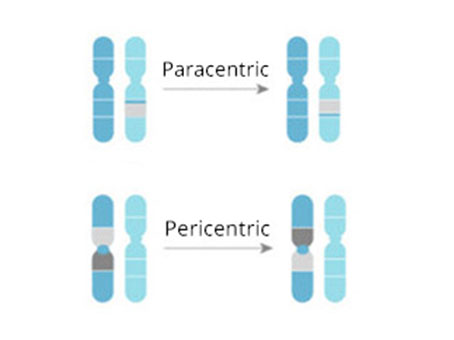
Structural Abnormalities
Chromosomes with abnormal structures due to the rupture or incorrect union of various segments, such as:
Translocations
Deletions
Duplications
Insertion
Rings
Inversions
What is Preimplantation Genetic Testing (PGT)?
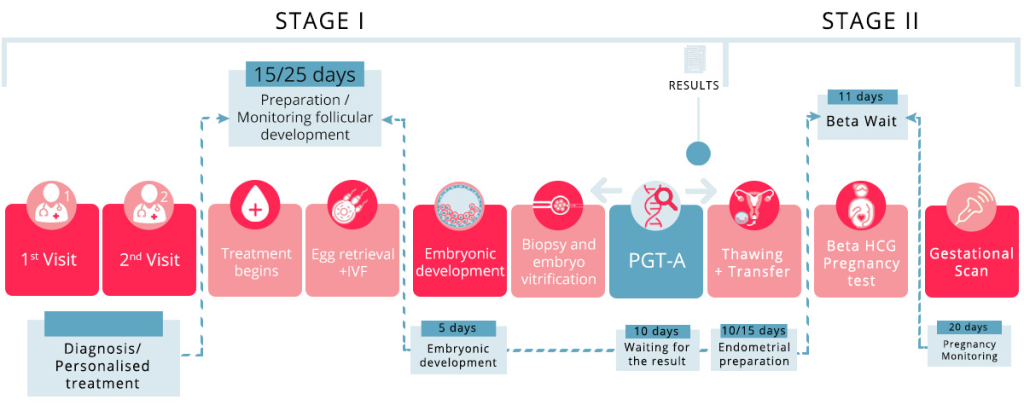
PGT is a specialized procedure used during IVF to check embryos for genetic or chromosomal abnormalities before implantation. This helps improve the chances of a successful pregnancy and a healthy baby. PGT was previously known as Preimplantation Genetic Diagnosis (PGD).
Why is PGT Important?
To avoid transferring embryos with chromosomal or genetic issues that could lead to miscarriage or failed implantation.
To reduce the risk of having a child with a serious genetic disorder.
To increase IVF success rates and give peace of mind to parents.
NICS is a new technique that screens embryos for chromosomal issues without a biopsy. It analyses DNA released into the culture medium during embryo growth. This non-invasive method is safer for embryos and holds promise for identifying abnormalities effectively.
PGT-A (Pre Implantation Genetic Testing for Aneuploidy)
This test checks if the embryo has the correct number of chromosomes.
Who should consider PGT-A?
Couples who have had a previous pregnancy with aneuploidy.
Women who have had two or more miscarriages.
Women who have experienced previously failed embryo implantation.
Women diagnosed with unexplained infertility.
Women that are older than age 35.
Women who have undergone numerous unsuccessful fertility treatments.
Women who have low AMH (Anti Mullerian Hormone)
PGT-M (Pre Implantation Genetic Testing for Monogenic disease)
Analysis of specific/monogenic gene mutations that one (or both) of the parents is known to carry.
Who should consider PGT-M:
One of the members of the couple was diagnosed with a genetic disorder.
Couples in which both members are unaffected carriers of the same genetic condition.
Family history of a genetic disorder.
PGT-SR (Pre Implantation Genetic Testing for Structural
Rearrangement)
This test is for embryos from couples where one partner carries a chromosomal structural rearrangement, which can affect embryo development.
Who should consider PGT-SR:
One of the members of the couple is a carrier of a chromosomal structural rearrangement.
Why Choose IHR for PGT
At IHR Guwahati, we offer advanced PGT services as part of our comprehensive fertility care. With expert genetic counseling, state-of-the-art laboratories, and a high success rate in IVF, we help couples make informed, confident decisions about growing their families—safely and successfully.