Laproscopy

  1. Home
  2. »
  3. Laproscopy

Laparoscopy (Minimally Invasive Surgery) – IHR Guwahati

What is Laparoscopic Surgery?

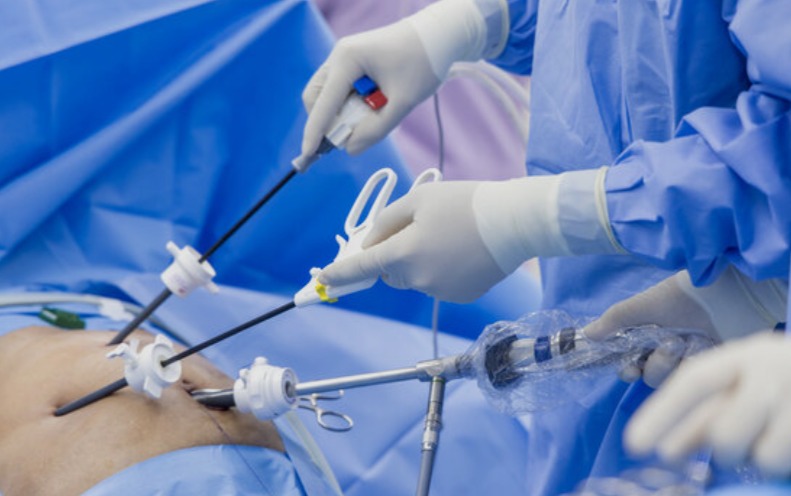
Laparoscopic surgery, also known as Minimally Invasive Surgery (MIS), Keyhole Surgery, or Band-Aid Surgery, is a modern surgical technique where operations are performed through small incisions (usually 0.5–1.0 cm) instead of large open cuts. This technique allows surgeons to access organs within the abdomen or pelvis using a laparoscope – a small tube with a camera and light – to view internal structures on a monitor.

At IHR Guwahati, we are proud to offer advanced laparoscopic surgeries performed by skilled and experienced surgeons using state-of-the-art technology. We ensure faster recovery, minimal discomfort, and superior outcomes.

When Is Laparoscopy Recommended?

Our specialists use laparoscopy to diagnose and treat a variety of conditions, including:

How Is the Procedure Performed?

Pre-Admission & Preparation

Insufflation

Camera Insertion

Instrument Placement

Completion & Closure

Advantages

There are several advantages to the patient with laparoscopic surgery versus an open procedure.

These include:

  • Smaller incision, which reduces pain and shortens recovery time.
  • Less pain, leading to less pain medication needed.
  • The hospital stay is less, and often with a same day discharge.
  • Reduced exposure of internal organs to possible external contaminants thereby reducing the risk of acquiring infections.
  • Quicker recovery to normal activities.
  • Fewer chances of post-operative adhesions.
  • Minimal post-operative discomfort.
  • Greater cosmetic value with smaller or no cut marks.
  • Reduced bleeding, which reduces the chance of needing a blood transfusion.

Potential Risks & Considerations

While laparoscopy is generally safe, potential risks include:

  • Anaesthesia-related side effects
  • Accidental injury to internal organs (bowel, bladder, blood vessels)
  • Conversion to open surgery (laparotomy) if necessary.
  • Increased risk in cases of obesity, prior surgeries, or complex conditions.

Our surgeons follow rigorous safety protocols and individual risk assessment for every patient.

After Surgery – What to Expect

In-Hospital

  • Most patients are observed for 4–6 hours post-surgery.
  • Discharge is typically on the same day unless complications arise.

At Home Care

  • Incision Care: Keep incisions clean, use light dressings, and cover to avoid friction.
  • Diet: Begin with clear liquids until bowel movements or gas passage, then progress to light meals.
  • Activity: Light movement is encouraged immediately, but avoid strenuous activity for 1–2 weeks.
  • Pain Management: Mild abdominal/shoulder discomfort is normal; take prescribed medications as directed.

Sexual Activity: Generally safe to resume after 7 days, following clearance from your surgeon.
Warning Signs (Contact Your Doctor if you notice):

  • Fever over 101°F
  • Redness, swelling, or abnormal discharge at incision sites
  • Burning or difficulty during urination
  • Persistent pain, nausea, vomiting, or bloating

Meet Our Laparoscopy Experts

Our laparoscopy procedures are conducted by experienced surgeons specializing in minimally invasive gynecological and fertility surgeries. At IHR, we bring a patient-first approach, combining technology, skill, and compassion.

Paediatric Consultant

Paediatric Consultant

Paediatric Consultant

Dr. Debanand Agarwal

Consultant Neonatologist

Dr. Dipa Dey

Focuses on skin, hair disorders.

Frequently Asked Questions

Most patients recover within 3–7 days, depending on the type and complexity of the surgery. You can typically resume light activities within a few days.

Laparoscopy is significantly less painful than open surgery. Mild discomfort or soreness may be felt for a couple of days, which can be managed with prescribed painkillers.

The incisions made are very small, and most patients have minimal scarring, if any. Cosmetic appearance is significantly better than traditional open surgery.

Yes. It is commonly used to diagnose and treat fertility issues such as blocked fallopian tubes, endometriosis, or ovarian cysts.

While laparoscopy is safe for most patients, those with specific medical conditions, multiple prior surgeries, or obesity may require special evaluation before proceeding.