
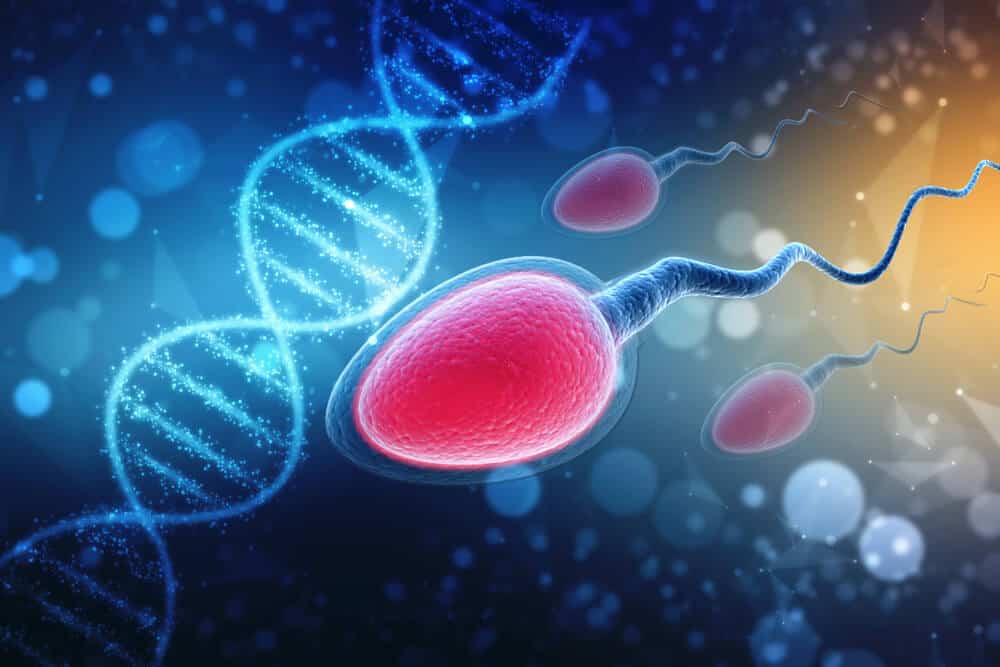
Sperm DNA fragmentation is a term used to denote abnormal genetic material within the sperm, which in turn may lead to male subfertility, IVF failure, and miscarriage. A conventional semen analysis done for sperm concentration, motility analysis, and morphology assessment cannot assess the sperm at the molecular level and detect DNA fragmentation. Therefore, a separate DNA Fragmentation test is required which can be done along with your semen analysis.
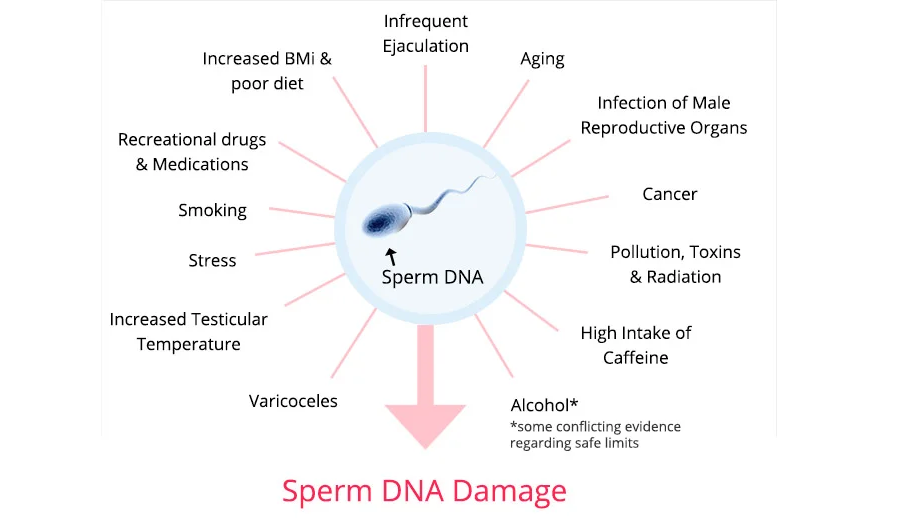
Sperm DNA can be damaged by various factors including:
Most of the factors listed on the left picture increase the level of Reactive Oxygen Species (ROS), also known as ‘Free Radicals’. They are located inside the cells in our body and cause ‘Oxidative Stress’ when our cells are no longer able to neutralize them. ROS/Free Radicals cause damage to DNA, proteins, and lipids – which are all essential for healthy sperms.
It depends essentially on the cause. If the damage is caused by free radicals, a change in lifestyle and diet designed to protect against oxidative stress may help reduce the levels of DNA fragmentation.
Other treatment options include:
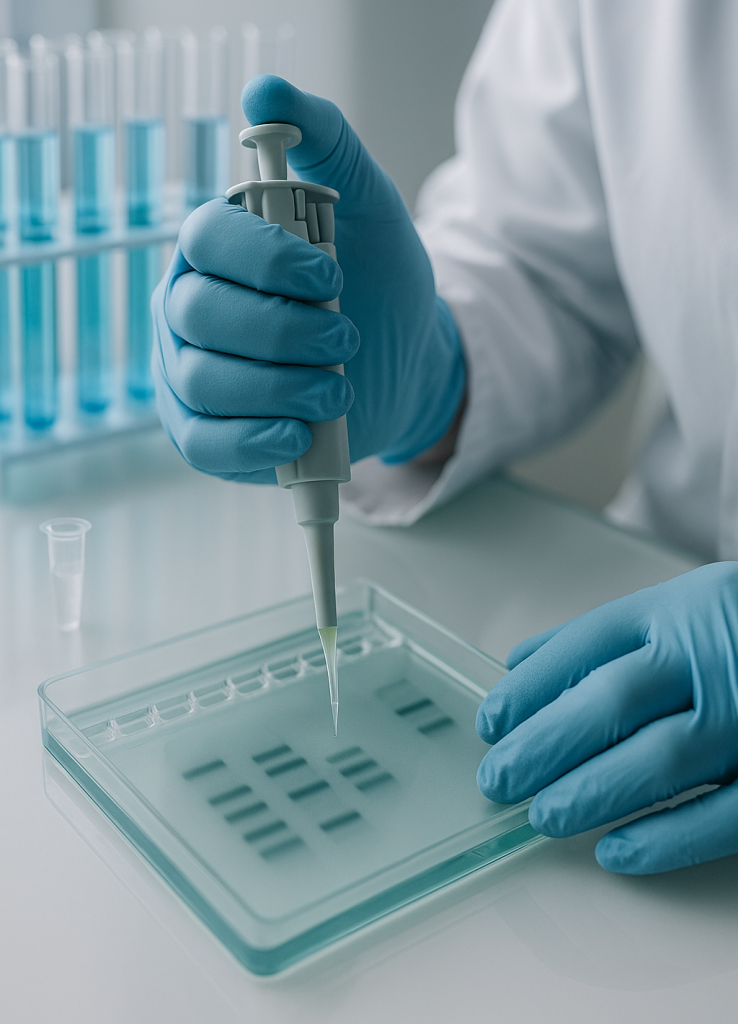
Collected during routine semen analysis
Collected during routine semen analysis
Takes only a few hours to a few days for results
Patients are encouraged to be open about any chronic illnesses, past surgical experiences, allergies, and ongoing medications during the consultation.

Copyright 2025 © IHR Guwahati. All Right Reserved.